

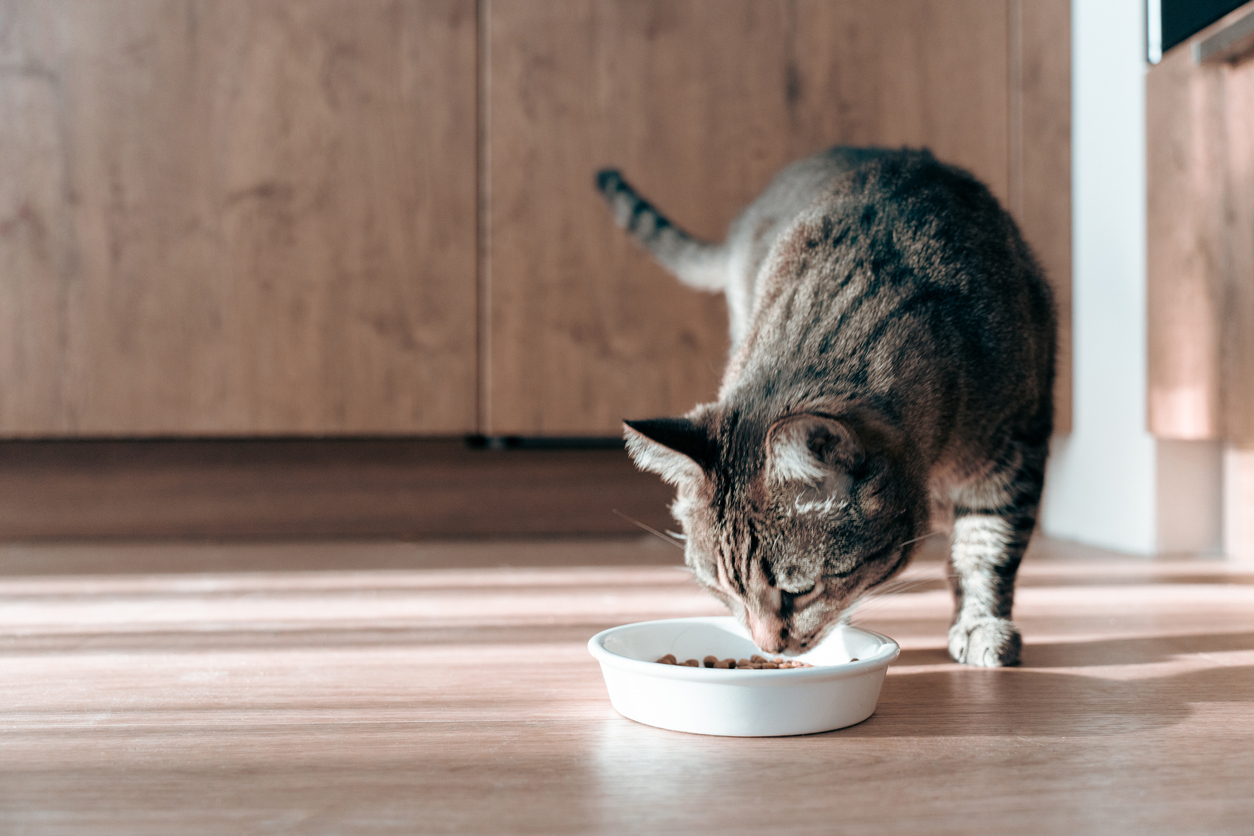

A cat with a food allergy doesn't just have a sensitive stomach — they're often constantly itchy, prone to ear infections, and losing fur in patches. Up to 10% of allergic cats have a food-driven component, and the right diet can transform their quality of life. Here are the best cat foods for allergies in 2026, plus a clear guide to picking the right one.
How to know if your cat has a food allergy
Food allergies in cats look like this:
- Year-round itching that doesn't respond to flea control or seasonal medication
- Bald patches, especially on the belly, neck, or face
- Recurrent ear infections or head shaking
- Vomiting or diarrhea combined with skin problems
- Miliary dermatitis — small crusty scabs across the back and neck
The only reliable way to diagnose a food allergy is an elimination diet trial lasting 8–12 weeks under your vet's supervision. Saliva and blood tests sold direct-to-consumer are not considered accurate by veterinary dermatologists.
What makes a cat food good for allergies?
Hydrolyzed protein. Proteins broken into pieces too small for the immune system to recognize. These are the only foods the veterinary community considers truly hypoallergenic. Prescription-only.
Limited ingredients. Fewer ingredients means fewer potential triggers. Look for a single protein source and minimal supporting ingredients.
Novel protein. A protein your cat hasn't been exposed to before — typically duck, rabbit, venison, or kangaroo. Avoids the immune reaction your cat has built up to common proteins.
No flavor enhancers or generic "meat by-products." These can hide common allergens.
High moisture (for wet food). Cats are notoriously poor drinkers and benefit from wet food for urinary tract health, even if it's not allergy-related.
Best cat foods for allergies in 2026
Best prescription overall: Royal Canin Veterinary Diet Hydrolyzed Protein HP
This is the go-to recommendation from veterinary dermatologists for elimination trials and long-term allergy management. The hydrolyzed soy protein is broken down to molecular pieces that bypass most immune responses, and it's available in both wet and dry forms.
Best for: Diagnosing food allergies and managing cats with multiple sensitivities. Requires a prescription.
Best non-prescription overall: Smalls Human-Grade Fresh Cat Food
Smalls makes fresh, single-protein recipes (turkey, chicken, fish, beef) with limited ingredients and human-grade quality. It's not a prescription diet, but the simplified ingredient lists work well for cats with mild to moderate sensitivities. Subscription-based with rotating proteins.
Best for: Cats with sensitive stomachs or mild skin issues, owners who want fresh food without veterinary diet pricing.
Best limited-ingredient dry: Purina Beyond Simply White Meat Chicken & Whole Oatmeal
A reasonably priced limited-ingredient dry food with chicken as the only animal protein source and minimal grains. Not appropriate if chicken is your cat's trigger, but a solid first step for cats sensitive to beef, fish, or dairy.
Best for: A budget-friendly first try when chicken is not suspected as the trigger.
Best novel protein: Natural Balance L.I.D. Duck & Green Pea
Duck is one of the most useful novel proteins because most cat foods don't include it. Natural Balance Limited Ingredient Diets pair duck with green peas, omega-3s, and skin-supporting vitamins. Available without prescription.
Best for: Cats with suspected sensitivity to chicken, fish, or beef.
Best wet for allergies: Hill's Prescription Diet z/d Hydrolyzed Wet
For cats who prefer wet food or need extra hydration, Hill's z/d in wet form delivers the same hydrolyzed protein protocol with the moisture and palatability cats often need to actually eat their elimination diet.
Best for: Picky cats during elimination trials, or cats with concurrent urinary issues.
Best for the money: Fancy Feast Gourmet Naturals Variety
If you're looking for a non-prescription option with limited ingredients at grocery store prices, the Gourmet Naturals line uses simpler ingredient lists than most mainstream wet foods. Variety packs let you rotate proteins, which can be useful once you've identified safe options.
Best for: Confirmed mild sensitivities and households on a budget.
How to run an elimination diet trial
Your vet will design the protocol, but a typical trial looks like:
- Pick a single, vet-approved food. Either a prescription hydrolyzed diet or a single novel protein your cat has never eaten.
- Feed only that food for 8–12 weeks. No treats, no flavored medications, no people food, no toothpaste with chicken flavor.
- Track symptoms. Photos every two weeks help spot incremental changes.
- If symptoms resolve, reintroduce one suspected food at a time for 1–2 weeks each. A return of symptoms identifies the trigger.
If symptoms don't improve within 12 weeks, food allergy is unlikely and your vet will pivot to other diagnoses (environmental allergies, parasites, or other skin diseases).
How to transition food safely
Switch over 7–14 days to avoid stomach upset that could mask whether the new diet helps:
- Days 1–4: 25% new food, 75% old
- Days 5–8: 50/50
- Days 9–12: 75% new, 25% old
- Day 13+: 100% new food
For trickier eaters, extend each phase. Warming wet food slightly often increases acceptance.
Lifelong management
Once you've identified a trigger food, lifelong avoidance is the plan. Read every label — fish allergies in particular can be tricky because fish meal is hidden in many foods. Keep a written list of safe brands and treats. Inform anyone who pet-sits.
Many cats with food allergies also have environmental triggers. If your cat continues to itch despite a successful elimination diet, see our cat allergies treatment guide for next steps. For more on how diet, flea control, and immunotherapy fit together in pet allergy management, see our complete allergy treatment guide.
This article is for informational purposes only and is not a substitute for professional veterinary advice.
Frequently asked questions
What's the difference between a food allergy and a food intolerance in cats?
A true food allergy is an immune response and typically causes itching, hives, and inflammation. Food intolerance is a digestive issue (gas, loose stool) without immune involvement.
Are grain-free cat foods better for allergies?
Usually not. Cat food allergies are overwhelmingly to proteins, not grains. Going grain-free doesn't help unless your cat has a confirmed grain sensitivity, which is rare.
How long until I see results on a new diet?
Skin and coat improvements usually take 8–12 weeks. Digestive improvements often appear in 2–4 weeks. Be patient and stay strict.
Can my cat be allergic to chicken?
Yes — chicken is one of the most common cat food allergens because it's so widely used. Other common triggers include beef, fish, and dairy.
Should I make homemade cat food for an allergic cat?
Only under the guidance of a veterinary nutritionist. Homemade diets are easy to get wrong nutritionally and can cause serious deficiencies.