

What causes pet allergies?
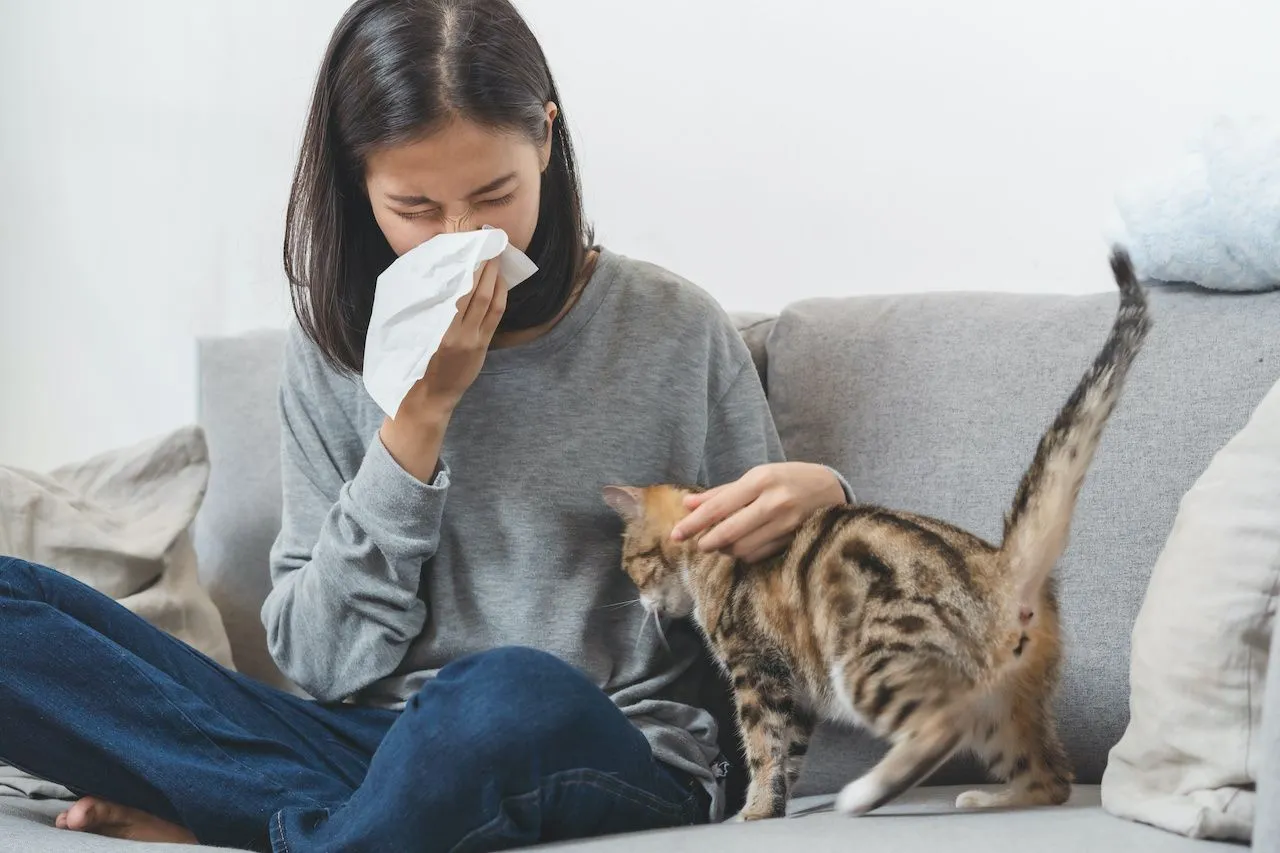
Pet allergies are caused by an overreaction of the immune system to proteins found in a pet's skin cells, saliva, or urine. The immune system perceives these proteins as harmful and produces an allergic response, leading to symptoms such as sneezing, runny nose, itchy eyes, and skin rashes.
Cat allergies followed by dog allergies are the most common, but other animals such as rabbits, rodents, horses, and birds can also trigger an allergic response.
What is the best pet for a person with allergies?
No pet is 100% hypoallergenic — even hairless ones. Any pet that is labeled hypoallergenic simply has fewer components present that may cause allergies. For example, cats have 9 main allergenic proteins, and a person can be allergic to one or more of them. If a cat has low amounts of the most common allergenic proteins (but may still have high levels of other less commonly implicated allergic proteins), it could be labeled hypoallergenic.
What are the symptoms of pet allergies?
The symptoms of pet allergies are similar to any other allergies and can vary depending on the severity of the reaction. They commonly include:
Sneezing and a runny or stuffy nose
Itchy, watery eyes
Skin rash or hives
Coughing and wheezing
Shortness of breath or difficulty breathing
Swelling of the face, tongue, or throat (in severe cases)
How are pet allergies treated?
There are several treatment options for pet allergies, including:
Immunotherapy: If you want to significantly reduce your symptoms, or eliminate them entirely, allergy shots or sublingual immunotherapy (SLIT) are your best bet. They help desensitize the immune system to pet allergens over time.
Early introduction: Studies over the last 2 decades suggest that early introduction of pets at home may reduce the likelihood of developing sensitization. However, additional studies are needed to confirm this finding in all populations.
Allergy medications: Over-the-counter or prescription allergy medications such as antihistamines, decongestants, and nasal corticosteroids can help relieve symptoms.
Avoidance: Reducing exposure to pet allergens by keeping pets out of certain rooms, using air purifiers, and washing pets and their bedding regularly can also help reduce symptoms.